Hand-Building Pottery: Real Clay Without a Wheel

Hand-Building Pottery: Real Clay Without a Wheel

DariaCurated by Daria
Jump to the 9 picks

Clay That Remembers Every Fingerprint

People have been squeezing pots out of wet clay for a very long time. The oldest fired clay object we know of is a small figurine from what is now the Czech Republic, made somewhere between 29,000 and 25,000 BC, and the earliest actual pottery vessels turned up in a Chinese cave about 20,000 years ago. All of it built by hand. Here is the part that surprises people: the potter's wheel grew out of hand building rather than the other way round, because early coil builders set their pots on mats and big leaves so they could turn the work instead of shuffling around it, and the first slow wheels came out of that habit around 3500 BC. So when you sit at a table pinching a bowl into shape, you are not doing the simplified version.

Here is what nobody warns you about: the waiting. You will build a mug in one afternoon and not hold the finished thing for three or four weeks. It has to dry slowly, then survive two separate trips through a kiln. That gap is the whole difference between this and the clays that harden on a kitchen counter, and it means your first decision is not which tools to buy. It is finding a kiln.

Our take: buy less than you think. A bag of stoneware, one good rib, and something sharp enough to cut and score will carry you through your first dozen pots, plus enough plastic to keep it all damp between sessions. Pinching needs even less than that.

Nothing on this page costs enough to sting if you decide after two months that clay is not your thing.

If the kiln logistics sound like a lot for a first pot, they are, and that is a fair reason to begin with air-dry clay, which needs no firing at all and lets you find out whether you even like the feel of the material. Most people who stick with clay want the kiln eventually. Fired stoneware does something no air-dry piece can: it holds water, and it rings when you tap it.

Five Things, Then You're Making Pots

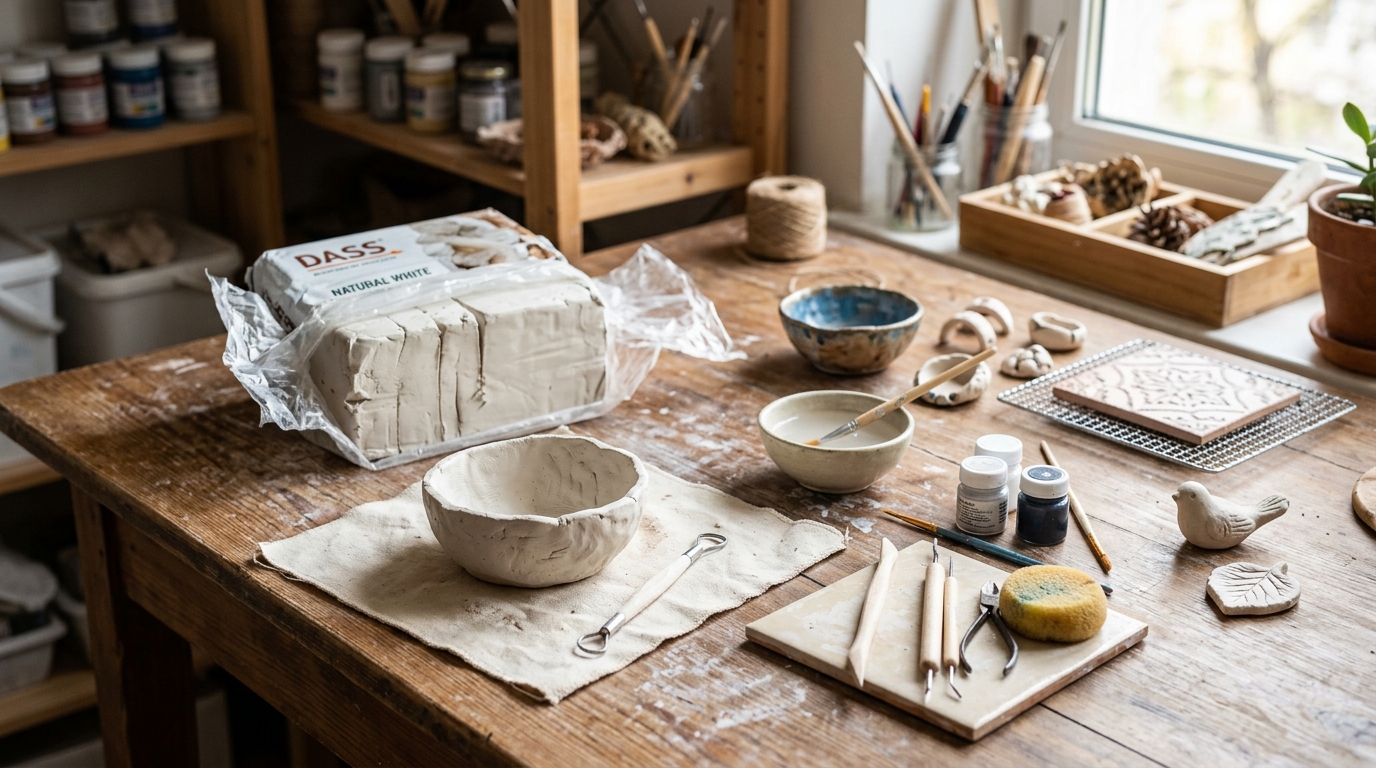
Walk into any community studio and the hand-building table looks the same everywhere: a lump of clay on a cloth, a couple of wooden tools, someone's phone propped against a bucket playing a tutorial. That is genuinely the whole setup. The list below is deliberately short, because the people who have been at this for years get visibly twitchy watching beginners arrive with hundred-piece carving kits they will never open. Buy the boring things first.

Disclosure: This section may contain affiliate links to Amazon. We may earn a small commission from qualifying purchases at no extra cost to you.
Premium Pottery Stoneware Clay

Pick 01 of 09

Premium Pottery Stoneware Clay

Stoneware is the clay body most community studios fire, and it is what turns a hand-built pot into something that holds water instead of softening in it. It arrives in a sealed bag ready to use, with no mixing equipment needed to get started. Check the cone range printed on the bag against the temperature your studio fires to before you buy.

Why we picked this exact one: The Old Potters mid-high-fire white stoneware is a cone 6-10 body, which covers the mid-range most community studios fire to, and it comes as a 10 lb bag rather than a 25 lb block you would struggle to keep damp. It sits at 4.6 stars across 350 reviews. It is a smooth body with no grog in it, so it suits cups and small bowls better than wide slab trays, which warp less in a clay with sand or grog.

See it on Amazon
Complete Clay Sculpting Tool Set

Pick 02 of 09

Complete Clay Sculpting Tool Set

A small mixed set covers the jobs that come up constantly in hand building: cutting a slab to a line, roughing up two edges so they bond, and tidying a rim. The wooden modelling tools, the needle tool and the wire cutter are the pieces you will actually reach for. Piece count is a marketing number, so a set in the teens beats one in the hundreds.

Why we picked this exact one: The S & E Teacher's Edition 17-piece set sits at the sensible end of the range, with double-ended wooden tools and a wire cutter instead of the eighty-piece carving hauls that end up in a drawer. It holds 4.6 stars from 165 reviews and costs about the same as a bag of clay. The wooden handles fuzz up if you leave them sitting in a water bucket, so dry them off after a session.

See it on Amazon
Soft Silicone Pottery Shaping Tools

Pick 03 of 09

Soft Silicone Pottery Shaping Tools

A rib is a flat curved blade you drag across clay to even out a wall or compress a surface. Softer, more flexible ones follow the curve of a soft pot, while firmer ones shave down high spots once the clay has stiffened. Having two or three flexibilities matters more than having a dozen shapes.

Why we picked this exact one: The Diyoohomy six-piece silicone rib set gives you a spread of shapes and softnesses in one cheap purchase, which is the point this early on: you find out which one you keep reaching for. It rates 4.7 stars over 113 reviews. Silicone ribs are gentler than the stainless steel kidney ribs long-time potters swear by, so you will probably add a metal one later for scraping leather-hard clay.

See it on Amazon
Complete Pottery Slab Rolling Kit

Pick 04 of 09

Complete Pottery Slab Rolling Kit

Slab building starts with a sheet of clay rolled to one consistent thickness. Guide sticks sit either side of the clay so the pin rides on them instead of sinking into the middle. The cloth underneath stops the slab sticking to the table and leaves a faint woven texture on the back.

Why we picked this exact one: The AHIER 12-piece kit bundles a wooden pin, five pairs of guide sticks running from roughly 3 mm to 12 mm, and a linen cloth, so it replaces three separate purchases. It is rated 4.6 stars, though only across 30 reviews, which makes it a newer listing than most on this page. Wooden guides warp if they stay wet, so stand them up to dry rather than leaving them under a damp slab.

See it on Amazon
Heavy-Duty Clear Plastic Sheeting

Pick 05 of 09

Heavy-Duty Clear Plastic Sheeting

Unfinished clay has to stay at roughly one moisture level between sessions or it cracks where the wet part meets the dry part. A roll of thin polyethylene lets you tent a piece loosely for a night or wrap it tightly for a week. Heavier film holds moisture better than kitchen cling film and does not tear when it snags on a rim.

Why we picked this exact one: The IDL Packaging 4 mil roll is 3 feet wide and 50 feet long, so you cut sheets to whatever a piece needs instead of wrestling a bin bag over it. It holds 4.4 stars across 284 reviews. It is sold as a painter's drop cloth rather than a pottery product, which is exactly why it is cheap, and one roll will outlast years of pots.

See it on Amazon

With these five you can make a pinch pot the evening they arrive, and wet stoneware smells faintly of a riverbank, which nobody tells you either. One thing catches nearly everyone: clay shrinks as it dries and shrinks again in the kiln, so the mug you build comes out noticeably smaller than the one you pictured. Build it bigger than feels right. If you are still weighing up whether the kiln commitment is worth it, our comparison of air-dry and polymer clay sets out what the no-fire routes give up.

The Things You'll Want by Pot Number Ten

There is a moment a few weeks in when the pinch pots stop being the point and you start caring what the surface looks like. That is when this lot earns its place. None of it will make your first pot better, and a beginner with a banding wheel and no practice still turns out a wobbly mug. These are for when the basic moves have gone quiet enough that you want to do something to them.

Compact Electric Pottery Wheel

Pick 06 of 09

Compact Electric Pottery Wheel

A banding wheel is a weighted turntable that spins freely under whatever you set on it. You keep your hands still and turn the work instead of shuffling around the table, which makes a leaning coil pot obvious immediately. There is no motor and no pedal; it has nothing to do with throwing.

Why we picked this exact one: The Yncotte 7-inch aluminium banding wheel runs on ball bearings and holds 4.8 stars across 95 reviews, which is unusual at this price. Seven inches suits mugs and small bowls, so if you already know you want wide platters the 12-inch versions cost a little more. Cast-iron models feel steadier under the hand, but they are considerably heavier to ship.

See it on Amazon
Set of Textured Clay Rollers

Pick 07 of 09

Set of Textured Clay Rollers

These are small carved rollers you run across a fresh slab to emboss a repeating pattern into it. The texture survives drying and firing, and it catches glaze in the recesses so a plain bowl comes out with depth. They only bite into soft clay; once it stiffens the pattern will not take.

Why we picked this exact one: The Byllstore 10-pack is wood rather than the 3D-printed plastic that fills this category, and wood releases from wet clay more cleanly. It carries 4.7 stars over 431 reviews, the largest review base of anything in this section. Wooden rollers need washing and drying straight after use, or clay sets in the grooves and blunts the pattern.

See it on Amazon
Versatile Multi-Purpose Cleaning Sponges

Pick 08 of 09

Versatile Multi-Purpose Cleaning Sponges

Pottery sponges do three different jobs: soaking up water, wiping a surface smooth, and finishing a rim without dragging grit across it. Tight-celled finishing sponges leave a cleaner surface than a kitchen sponge, which tends to pull grog out of the clay body and streak it. Rinse them out properly or they set hard with slip.

Why we picked this exact one: The Mudtools three-pack is the set experienced potters name most often, and it splits the work between wetting, general use and final finishing rather than making you guess which single sponge to buy. At 4.8 stars across more than a thousand reviews the reputation holds up. Thirty dollars for three sponges is a real jump from the generic multipacks, and starting with a cheap one and upgrading later is a defensible choice.

See it on Amazon
Double Ended Wire Loop Sculpting Tool

Pick 09 of 09

Double Ended Wire Loop Sculpting Tool

A wire loop lifts a thin ribbon of clay wherever you drag it, which is how carved lines and sgraffito patterns get cut. It works on leather-hard clay, firm enough to hold an edge but still soft enough that the wire does not skip. On wet clay the line smears, and on bone-dry clay it chips.

Why we picked this exact one: The Kemper WLS is a double-ended wire loop, and Kemper is the name that keeps coming up for leather-hard carving. It is 4.8 stars from 297 reviews and under ten dollars, which is a low-risk way to find out whether carving suits you before anyone talks you into a hundred-dollar set. The wire is fine and will bend if you lever it, so pull rather than gouge.

See it on Amazon

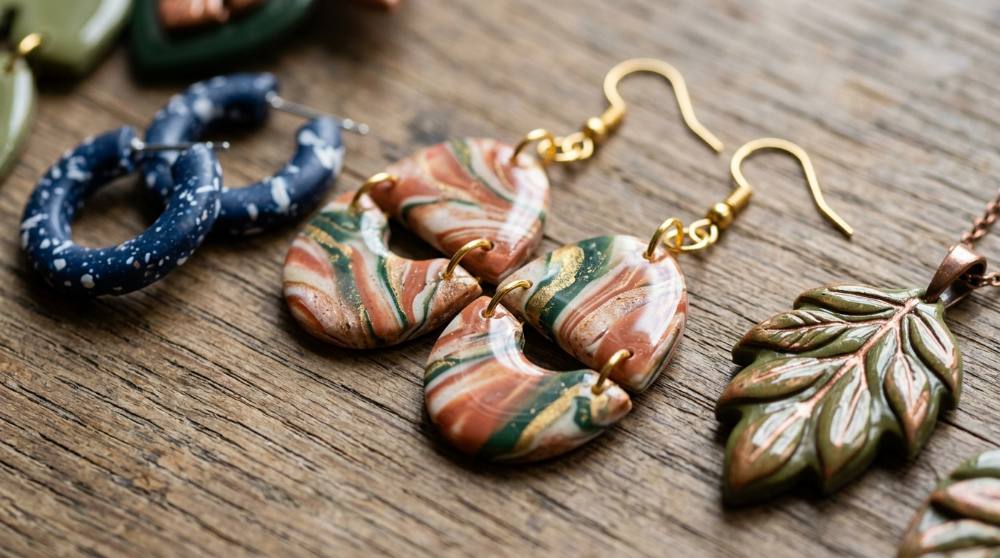
Carving leather-hard clay is the nicest hour in this whole craft. The loop lifts a thin chalky curl away and the line underneath comes out crisp, and you will want to keep going long after the pot has enough lines on it. Practise on one you have already written off, because the first few always wander. If the pattern-making turns out to interest you more than the vessels do, the same instincts carry straight over to making polymer clay earrings, which skips the kiln entirely.

What It Costs Once the Novelty Wears Off

The kit above is a one-time spend. What decides whether you keep going is what each pot costs after that, and for hand builders that comes down to clay and firing. Clay is cheap by weight but heavy to ship, which is why most potters end up buying it in person from a local supplier and why an online order can carry a handling fee that rivals the clay itself. Firing is the part you cannot design around: unless you own a kiln, somebody else's kiln has to be involved, and studios charge for that.

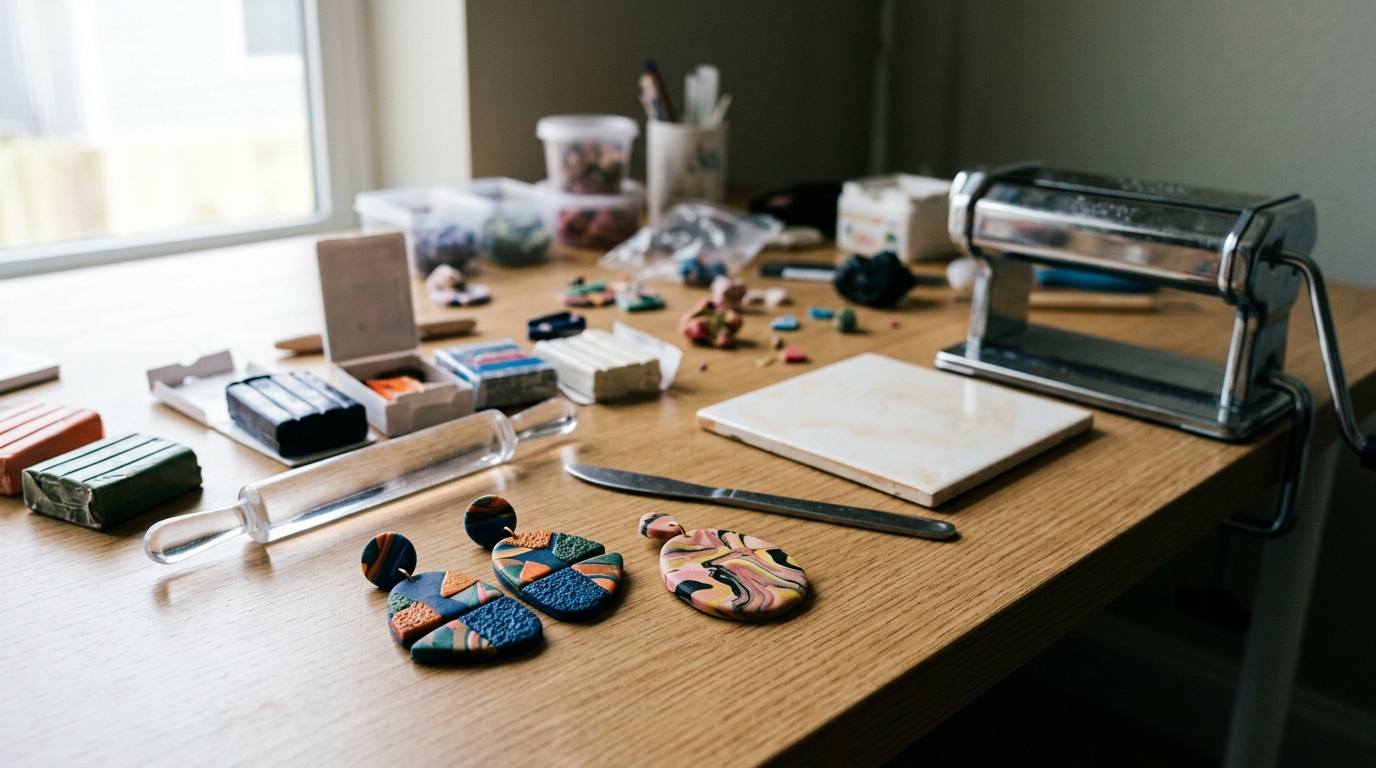
Studio memberships bundle firing with bench space and glazes, and they are the usual route in. Drop-in sessions and short classes are the cheaper way to test the water. Where none of that is within reach, this is the point at which people look at polymer clay, which cures in a home oven, and decide the logistics are not worth it for now.

None of this is a reason not to start. It is a reason to ring the studio before you order clay. The people who quit are rarely the ones who found the making hard; they are the ones who ended up with a shelf of dried greenware and nowhere to fire it.

Why Your First Pot Might Not Survive the Kiln

Why did my handle crack off exactly where I attached it?

Almost always because the two pieces were at different moisture levels when they met. The drier part has already done most of its shrinking, the wetter part is still shrinking hard, and the join tears itself open as the piece dries. Scoring and slip will not rescue a joint whose halves are mismatched. Bring both parts to a similar stiffness before you attach them, then wrap the whole thing in plastic and let it dry slowly over several days rather than overnight.

Do I really have to sort out a kiln before I buy clay?

Yes, and it is the step beginners skip. Studios fire to a particular cone, and plenty of them will only fire clay they sold you, so a bag bought in advance can turn out to be unusable. Ring or email the nearest community studio first, ask what temperature they fire to and whether they take outside work at all, then buy a clay body that matches their answer. Where there is no studio within reach, kiln-sharing listings are worth a look before you give up.

Why does a piece have to go through the kiln twice?

The first firing, the bisque, drives the chemically bound water out of the clay and leaves the piece hard but still porous enough to drink in glaze. Glazing raw clay and firing once is a real technique, but it is unforgiving and nobody sensible starts there. Studios generally bisque around cone 04 and then glaze fire mid-range stoneware to cone 5 or 6. That is why a first mug is a three to four week round trip, which is worth knowing before you promise it to anyone as a birthday present.

Can I just leave a finished pot to dry on the windowsill?

Not if you want it in one piece. Sun and draughts pull water out of the thin parts, the rim and the handle and the edges of a slab, long before the thick base has caught up, and the piece splits along that difference. Dry work out of direct sun, loosely covered for the first few days, and stand it on a board rather than flat on a solid table so air can reach underneath. Expect the better part of a week for a mug, and longer in a damp room.

Love what you see here? Save individual picks with on any item, or copy everything to a list of your own in one click — great for coming back to later, or dropping as a not-so-subtle hint.

Disclosure: This section may contain affiliate links to Amazon. We may earn a small commission from qualifying purchases at no extra cost to you.