Turn Everyday Writing Into a Pleasure With a Fountain Pen
Your Grocery List Is About to Look Gorgeous
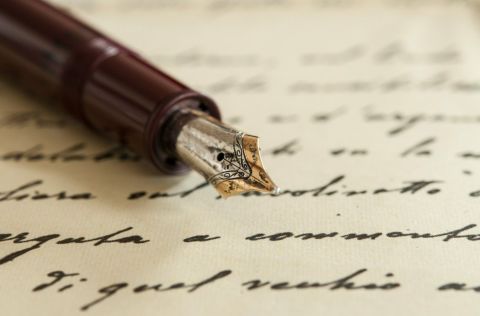
A fountain pen holds liquid ink inside its body and feeds a metal nib through tiny channels, so the ink flows out under its own weight while air trickles back in; you glide it, you never press. People write with them for journals, letters, and the daily to-do list — anywhere putting words on paper should feel like more than a chore. The idea is old. Leonardo da Vinci seems to have rigged up a reservoir pen for himself around 1500, yet nobody built one that reliably didn't leak until the 1880s. Here's the part that surprised me: those fine ribbed fins tucked under a modern nib descend from a 1941 Parker design, and the same ink-regulating trick now hides inside ordinary rollerball and gel pens.
The first thing that gets people isn't the look, it's the lack of effort. A fountain pen writes when it's barely touching the paper, so the white-knuckle grip most of us learned with ballpoints becomes pointless, and your hand stops aching halfway down a page. You don't need much to feel that difference on day one. Four things, really: the pen, some ink, paper that behaves, and a small part that lets the pen drink from a bottle.
My advice: buy less than the starter-kit lists tell you to. One decent pen, one bottle of a sensible ink color, and a pad of paper that won't feather is genuinely all you need to begin — the fancy inks, the second and third pens, the display trays, all of that can wait until you actually miss having them.
Everything below is cheap enough that if fountain pens turn out not to be your thing, you're out the price of a couple of lunches, not a hobby's worth of gear.
Where This Little Kit Can Take You
A few real moments and results from this hobby — made with tools no fancier than the ones below.
Pick 01 of 10
Elegant Fountain Pen for Writing
Beginner fountain pen with a steel medium nib


A beginner fountain pen is a refillable metal-nibbed pen that feeds liquid ink to the paper as you write. Look for a brass or metal body with a smooth steel nib in fine or medium, since those sizes forgive an unsteady hand and behave on most paper. Many come with both a converter and a cartridge, so you can start writing the day it arrives.
A fountain pen carries its own ink and lays it down under its own weight, so writing feels different from a ballpoint from the very first stroke. A medium steel nib is the easy starting point: wet enough to glide, forgiving enough that a slightly wrong angle still writes.
Pick 02 of 10
Premium Fountain Pen Ink
Bottled fountain-pen ink in a readable everyday blue


Bottled ink is what you dip the converter into to fill the pen, and it works out far cheaper per page than cartridges. For everyday writing, a well-behaved blue or blue-black is the safe start: it stays readable, dries at a sensible speed, and feathers less than the flashy colors. A 50ml bottle is a lot of ink, and it will outlast months of daily pages.
Fountain pens only take fountain-pen ink; India ink, calligraphy ink or craft ink will clog and can wreck the feed. A reliable bottled ink is also where the savings live, since one bottle refills the pen dozens of times over.
Pick 03 of 10
Wirebound Dot Grid Notepad
Fountain-pen-friendly dot-grid notepad


Fountain-pen-friendly paper is smoother and more tightly finished than the copy paper in a printer tray, so wet ink sits on top instead of soaking in. That keeps lines crisp, stops ink bleeding to the other side, and lets ink colors show their shading. A dot grid gives faint guidance for straight lines without the busy look of full ruling.
Paper decides more of the writing experience than beginners expect: the same pen and ink that glide on good paper will feather and bleed on cheap stock. Without a smooth, coated sheet, every line looks fuzzy and the ink ghosts through the page.
Pick 04 of 10
Refillable Fountain Pen Ink Converter
Piston converter for filling from bottled ink


A converter is a small refillable piston that screws into the pen where a cartridge would go, letting you draw ink straight from a bottle. Twist the knob to pull ink up into the chamber, wipe the nib, and you're filled. It's the part that turns a cartridge pen into a bottled-ink pen, which is where the color choice and the real cost savings open up.
Most beginner pens are built around cartridges, so without a converter you're limited to whatever pre-filled colors the brand happens to sell. A converter is what connects the pen to that cheap bottle of ink and the hundreds of colors beyond it.
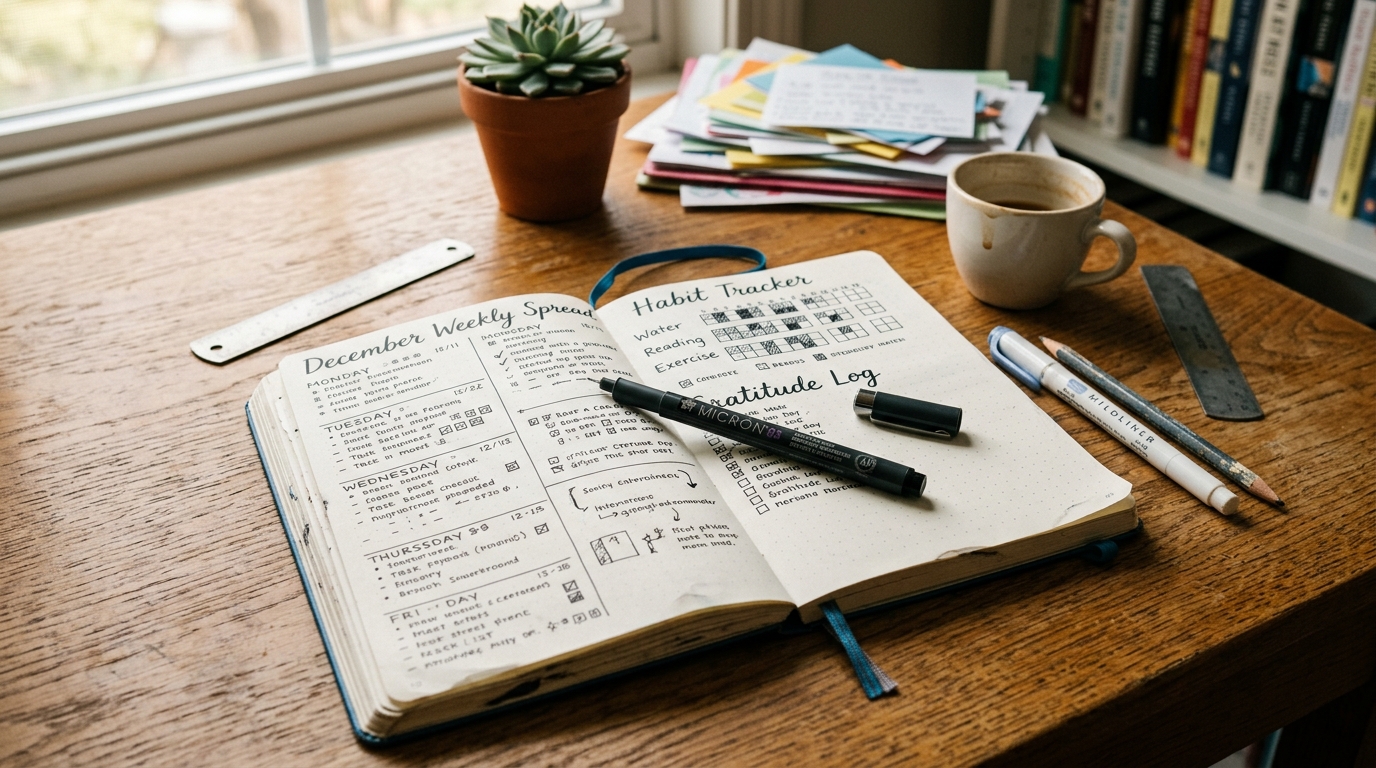
Get these four together and you can sit down tonight and just write — a letter, a page of nothing in particular, your actual signature for once. Expect a little mess at first; ink finds your fingers, and a brand-new pen sometimes needs a rinse before it'll flow properly. If the daily-writing habit takes hold, a fountain pen pairs beautifully with a structured notebook practice, which is where a beginner bullet journal setup can give those pages somewhere to go.
The Extras You'll Reach For by Week Two
None of it is essential. I'd genuinely tell you to write with just the basics for a couple of weeks before buying anything else. But a few small things quietly take the friction out once the pen becomes a daily habit. The theme here is protecting what you've got and making refills painless — the same logic behind choosing art supplies that last instead of the cheapest option, since a pen you look after can outlive you.
Pick 05 of 10
Premium Leather Pen Case
Leather sleeve for carrying a pen safely


A pen sleeve is a padded leather pocket that holds one to three pens so they don't rattle loose in a bag. Fountain pens don't love being tossed around nib-down, and a hard knock can spring the tines. A slim case keeps the cap on, the nib protected, and the ink where it belongs.
A loose fountain pen in a bag is how caps pop off and nibs get bent against keys. Tucked in a sleeve, the pen travels nib-up and capped, which is also how it's least likely to leak.
Pick 06 of 10
Precision Ink Filling Syringes Set
Blunt-tip syringes for filling and flushing


These are plastic syringes with a blunt, rounded needle instead of a sharp point, used to refill empty cartridges from a bottle and to flush water through a pen when you clean it. Refilling cartridges saves the cost and waste of buying new ones. For cleaning, a syringe pushes water through the feed far faster than soaking alone.
The single most common beginner complaint, a pen that skips or hard-starts, usually traces back to a feed that was never rinsed. A syringe makes flushing quick, which is the difference between cleaning your pen and quietly avoiding it.
Pick 07 of 10
Premium Fountain Pen Ink Refills
Pre-filled ink cartridges for grab-and-go refills


Ink cartridges are sealed plastic tubes of ink that snap into the pen with no filling and no mess. They hold less than a bottle fill and cost more per page, but they're the fastest way to reload and the easiest to carry as a spare. A pen-specific cartridge is guaranteed to fit and seal.
A converter and bottle are cheaper, but they need a desk and a spare minute. A cartridge drops in anywhere, so the pen keeps writing on a trip or in a bag when a bottle isn't practical.
Together these three make the pen easier to live with: it travels safe, refills in seconds, and doesn't get neglected. That last point matters more than it sounds, because a quick flush is the fix for most of the skipping and hard starts beginners panic about. Once writing feels effortless, a lot of people get curious about making the letters themselves look better, the way a beginner hand lettering kit treats each letter as something you draw rather than scribble.
When Plain Writing Starts to Feel Too Plain
After a few weeks, it happens. Your ordinary handwriting starts to feel a little flat, and you want the pen to do more. This is where a stub nib and a characterful ink come in — small changes that make plain sentences look like you meant them. You're not learning calligraphy exactly, though this is the doorway to it; if the decorative bug bites hard, a brush calligraphy starter setup takes the same urge in a bolder, brush-tip direction. The fun here is that your normal writing gets prettier while you keep writing normally.
Pick 08 of 10
Elegant Fountain Pen With Stub Nib
Stub-nib fountain pen for line variation


A stub nib is flattened and broader than a round nib, so downstrokes come out thick and sideways strokes come out thin. That contrast gives ordinary handwriting a calligraphic look with no special technique; you just write normally. It's a gentler, more forgiving shape than a sharp italic, which makes it a friendly first step into decorative writing.
A round nib lays down the same width in every direction, so your writing comes out even but flat. A stub is what adds the thick-and-thin stroke contrast that makes everyday cursive suddenly look deliberate.
Pick 09 of 10
Premium Fountain Pen Ink
Shading fountain-pen ink in a deep oxblood red


A shading ink pools slightly as it dries, so a single stroke lands lighter at the edges and darker where the ink gathers. On smooth paper the effect turns plain handwriting into something with depth and variation. Deep reds and blue-blacks show shading best while staying readable enough for everyday use.
Shading is where good paper finally pays off: the coated sheet that stopped your ink feathering is also what lets the color vary instead of drying flat. Without a shading ink, you never see what the paper can actually do.
Pick 10 of 10
Premium Ruled Writing Tablet
Loose-sheet writing pad for letters and practice


This is a gummed pad of loose, smooth writing sheets rather than a bound notebook, so you can tear off a page to send or to keep. The heavier, coated paper is made for fountain ink, showing off shading and drying without smears. Ruled lines make it easy to hold a steady hand while your writing improves.
A bound notebook keeps your daily pages; a loose pad is what you actually mail. Letters and single-sheet practice are where a lot of the pleasure of writing by hand lives, and they need paper you can part with.
None of these three will make you a calligrapher overnight, and honestly they're not meant to; they just add a little visual interest to writing you're already doing. Play with the stub on scrap paper before you trust it with a real letter, because the thick-and-thin takes a page or two to get a feel for. And if paper itself starts to fascinate you, folding and stitching your own pages into a beginner bookbinding kit is a natural next rabbit hole for anyone who's fallen for good stationery.
Why Won't This Thing Just Write?
Why does my brand-new pen skip or refuse to start?
New pens often ship with a trace of manufacturing oil in the feed, and beginners assume a skipping pen is defective, then try to fix it by pressing harder. Pressing harder just risks springing the nib. The real fix is a flush: run lukewarm water, with a drop of dish soap, through the nib and feed before the first fill, and the ink starts flowing evenly. If a pen you're already using suddenly skips, dip the nib in water and touch it to a tissue to restart the flow.
My writing looks fuzzy and shows through the page — is the pen faulty?
Almost always it's the paper, not the pen. Ordinary copy paper is absorbent and uncoated, so wet ink spreads along the fibers, which is feathering, and soaks through to the back, which is bleed-through. The exact same pen and ink look crisp on smooth, coated paper made for fountain pens. If you're stuck with cheap paper for now, a finer nib lays down less ink and helps.
Do I really have to clean it, and how often?
You don't need to clean after every refill if you're topping up with the same ink, which is where a lot of over-cleaning advice trips people up. But you do need to flush the pen thoroughly whenever you switch ink colors, because some inks react with each other and can gum up or stain the feed. Left dirty for weeks, dried ink is what causes the hard starts people blame on the pen itself. A water flush every few weeks, and always between colors, keeps it happy.
Why won't my pen make those dramatic thick-and-thin lines I saw online?
Those flexing videos use flexible or dip nibs, and a normal modern nib is firm on purpose; it won't spread under pressure, and forcing it bends the tines for good. Standard steel nibs simply aren't built to flex. If you want line variation, that's the job of a stub or italic nib, which gives thick downstrokes and thin cross-strokes from its shape alone. Push a rigid nib to flex and you'll ruin it.
How much ink should I actually buy to start?
New enthusiasts tend to buy big bottles in lots of colors, then watch them sit for years. A standard cartridge holds under a milliliter, so even a small 30ml bottle is dozens of refills, and one bottle can easily last a year of daily writing. Start with a single readable color you'll actually use, and try samples before committing to a full bottle of anything flashy. Your taste in colors shifts fast once you've written with a few.
Love what you see here? Save individual picks with on any item, or copy the whole list to your own wishlist in one click — great for coming back to later, or dropping as a not-so-subtle hint.