Picture a path through woodland with a numbered stake every so often, and somewhere down each lane a life-size foam deer, boar or turkey standing in the undergrowth. Archers walk it in groups of three or four, shoot an arrow per animal, then score by which ring inside the beast's flank the shaft touched. The format is young: World Archery only ran its first 3D championship in 2003, though the 2024 edition in Slovenia still pulled 305 archers from 31 nations. And here's the bit nobody expects. At those events camouflage clothing is banned outright, so you spend the day shooting at wildlife dressed like you're off to a club barbecue.
What makes a 3D course hard isn't the shooting. It's that nothing tells you how far away the target is. A boar at 28 metres and a boar at 34 metres look almost identical through a gap in the trees, and most classes ban rangefinders, so the number has to come out of your own head. If your archery so far has been a recurve and a bag target on the lawn, this is the opposite experience: one arrow, odd light, sloping ground, and a group of strangers waiting behind you. Compound bows dominate the stakes at most shoots, but every 3D body also runs barebow, traditional and longbow divisions, so the first pick below is a choice between the two rather than a single answer.
My advice is to buy a bow package and almost nothing else. A ready-to-shoot compound, arrows that suit the weight you settle on, something to stop the string catching your sleeve, and a quiver that rides on your belt will get you round forty targets. The rest is comfort.
Archery isn't a cheap thing to start, so everything below is the version that does the job rather than the version that wins Augusta.
Where This Little Kit Can Take You
A few real moments and results from this hobby — made with tools no fancier than the ones below.
Full draw on a woodland laneThe foam boar is the dark shape forty metres down the path, and the tape at his feet marks the stake.
A foam stag, full of arrowsThe scoring rings are cut faintly into the flank, which is why nobody can read them from the shooting peg.
One thing before the shopping. Go to a club shoot first and ask to borrow something. Nearly every club keeps a bow it lends to visitors, and an afternoon on a borrowed rig tells you more about draw weight than any chart will. Turn up, say it's your first time, and somebody will walk the course with you.
What You Carry to the First Stake
A 3D course asks for less gear than it looks like from outside. You need a bow you can still hold steady at the fortieth target, arrows that fly the same way every time, and a way to carry them that doesn't snag on every branch. The first decision is which kind of bow, and the two below are the honest ends of that choice: a ready-to-shoot compound that arrives with sight, rest, release, a stand and a dozen arrows in the box, or the bare takedown recurve that archery forums have handed beginners for a decade. Pick one, not both. Whichever you take, beginners spend on extra sights and stabilisers long before their form can use either. Save it.
Disclosure: This section may contain affiliate links to Amazon. We may earn a small commission from qualifying purchases at no extra cost to you.
Pick one
These 2 do the same job. You only need one of them, so pick the one that suits you better.
01Pick 01 of 10Option A
Compound Bow Package
A ready-to-shoot compound package is a bow sold with the sight, arrow rest, peep, release and a starter dozen of arrows already in the box, so nothing else has to arrive before the first shot. The ones worth buying adjust across a wide band of draw length and draw weight with the supplied hex keys alone, no bow press involved, which matters because a beginner's settings move about over the first year. Look for a multi-pin sight and an axle-to-axle length around thirty inches, short enough to swing through brush without catching.
Why we picked this exact one: The Sanlida Dragon X8 RTH package is the one compound on Amazon that is both in stock and genuinely ready to shoot: sight, rest, peep, stabiliser, release, quiver, bow stand and twelve arrows in the box. Its 0 to 70 pound range adjusts with the supplied hex keys, so you can start light and climb without a trip to a pro shop. It holds 4.4 stars across 955 reviews. The bundled release and arrows are the parts people replace first.
Pros
Arrives shooting: sight, rest, peep, release, bow stand and twelve arrows in the box
Let-off leaves you holding only ten to fifteen pounds at full draw, so you can aim longer
A sight makes the first season's scores climb much faster
Cons
Heavier and bulkier to carry for four hours of woodland
Sixty dollars more, and more moving parts to go wrong on a course
The cams forgive form errors you will have to unlearn later
A takedown recurve comes apart into a riser and two limbs, so the same handle takes heavier limbs later instead of being replaced. Beginner models are sold by draw weight in five-pound steps and by hand, and a 62-inch bow suits draws up to about 28 inches. What arrives is the bare bow - riser, limbs, string and a stick-on rest - with the stringer, arrows and finger protection bought separately.
Why we picked this exact one: The Samick Sage is the recurve archery forums have pointed beginners at for over a decade, at 4.5 stars across 582 reviews, and it comes in 25 to 60 pound limbs in both hands, so you choose the weight rather than accept one. The limbs swap on the same riser without tools, which is what keeps it useful past the first season. It ships as a bare bow though, and a few reviewers report a slightly twisted limb.
Pros
Sixty dollars cheaper and noticeably lighter to walk a course with
Swap the limbs to change draw weight instead of buying a second bow
Puts you in the barebow and traditional divisions, where clubs are gentlest with newcomers
Cons
Bare bow only: you still need a stringer, arrows and a finger tab
No sight and no let-off, so scores start lower and range judging is harder
Wants a much lighter arrow spine than the 340-spine dozen listed below
Arrows are rated by spine, which is how much the shaft bends under load, and the right number depends on your draw weight, your draw length, how long the shaft is cut and how heavy the point is. A lower number means a stiffer shaft, so a heavy compound and a light recurve want very different arrows. Field points screw into an insert at the tip, and on a course they are the only point allowed, so a spare set matters: foam, roots and the occasional rock all eat arrows.
Why we picked this exact one: The Trophy Ridge Wrath is a finished, fletched arrow rather than a bare shaft, which most Amazon arrow listings turn out to be. This 30-inch, 340-spine pack of six matches a compound set in the mid-fifties with a standard 100-grain point; a 30-pound recurve bends a shaft far more, so buy the lightest spine of the same arrow instead. At 4.5 stars it carries only 21 reviews, which is thin, but it is a real archery brand and the rival packs at this length were out of stock.
An arm guard is a stiff plate strapped over the inside of the bow arm between wrist and elbow. It takes the slap when the string clips your forearm, and on a wooded course it does a second job: it holds a loose sleeve flat so the string cannot catch fabric. Vented versions breathe, which you notice when a round runs three hours in summer.
Why we picked this exact one: The Legend Armguard XT is the thermo-shaped EVA version rather than a flat vinyl plate, so it curves round the forearm instead of standing proud of it. Its straps use quick-release buckles, which is the difference between putting it on at the car and fighting with it at the first stake. It sits at 4.5 stars from 585 reviews. The medium runs small over a thick jacket sleeve.
A field quiver hangs off a belt at the hip and holds arrows nock-up in separate tubes so the fletchings never press against each other. Pockets along the body carry the small things a round needs: pencil, scorecard, spare nocks. It is the standard way to carry arrows on a course, as opposed to a quiver bolted to the bow.
Why we picked this exact one: The KRATARC 3-tube hip quiver holds twelve or more arrows across three separate tubes, which is more than a round needs and about right when you are losing one or two a day. It is Amazon's Choice in its category at 4.7 stars from 436 reviews, and the belt adjusts wide enough to go over a winter jacket. It is plain fabric rather than leather, so expect workmanlike rather than smart.
Set the bow light to begin with, and know that the two bows mean different numbers. Most 3D compound shooters sit somewhere in the fifties, because let-off leaves them holding only ten or fifteen pounds at anchor. A recurve gives you nowhere to hide: thirty pounds is thirty pounds in your fingers at every single anchor, which is why coaches start adults at twenty-five or thirty and forum regulars tell you not to go past thirty on a first bow. Either way the draw itself is full weight, forty-odd times, after hours of climbing.
What Changes the Day, Not the Shot
None of this makes an arrow fly better. It makes four hours in the woods less of a slog, and two of the five are about your eyes. Look at what the regulars are carrying at a shoot and it's binoculars, a stool and a puller, with water and bug spray making up the rest of the weight. One warning about the last item: the rangefinder is a practice tool, and most classes won't let you take it round the course.
06Pick 06 of 10
Waterproof 8x Binoculars
Binoculars on a 3D course do two jobs: they show where your arrow actually landed before you walk up, and they let you read the scoring rings painted into a foam animal thirty metres away. Eight times magnification is the usual choice because anything stronger shakes in the hand. Competition rules permit binoculars but not ones with graduated scales inside, so a plain pair is the safe buy.
Why we picked this exact one: The Celestron Outland X 8x42 keeps turning up at the sensible end of the range, with BaK-4 prisms, a rubber-armoured body and a waterproof seal, at 4.5 stars across 2,147 reviews. Eight times is the right power for handheld use between stakes. The 42mm objectives make it bulkier than a pocket pair, which is exactly why the harness below exists.
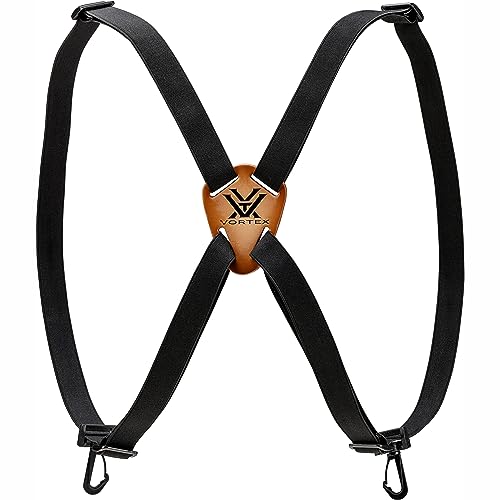
A binocular harness replaces the neck strap with an X of elastic over the shoulders, so the glass sits flat on your chest instead of swinging. Over a long walk that is the difference between binoculars you use and binoculars you leave in the car. Most are one size and take a minute to fit.
Why we picked this exact one: The Vortex binocular harness strap is the plain elastic X type rather than a chest pack, which keeps it clear of a release wrist strap. It carries Vortex's unconditional warranty and sits at 4.7 stars from 4,440 reviews. There is no pouch, so the glass stays out in the rain; a chest-pack version costs roughly twice as much if that bothers you.
An arrow puller is a moulded block of grippy rubber you close around the shaft so your hand cannot slide off it. Foam holds an arrow far harder than a bag target does, and a wet shaft after rain is close to impossible to shift bare-handed. Pulling by twisting and gripping harder is how shafts bend and fletchings tear.
Why we picked this exact one: The Allen Company moulded rubber puller is the belt-clip type course regulars actually carry, at 4.3 stars across 1,785 reviews. Plenty of ready-to-shoot packages throw in a thin rubber tab; this is the one that stays in a quiver pocket instead of vanishing at target four. Skip the arrow lube often recommended alongside it, which experienced shooters call messy and unnecessary.
A tripod stool folds to about the size of a rolled umbrella and carries on a shoulder strap. On a course it exists for the waiting: groups bunch up behind a slow stake, and a round that takes three to five hours contains a surprising amount of standing about. Aluminium versions weigh roughly a kilo.
Why we picked this exact one: The ALPS Mountaineering Tri-Leg Stool is the version with 8,358 reviews at 4.6 stars, which for a folding stool is about as settled as evidence gets. It is Amazon's Choice in its category and packs down narrow enough to hang off a quiver belt. Three legs want level-ish ground, so on a steep lane you will still be standing.
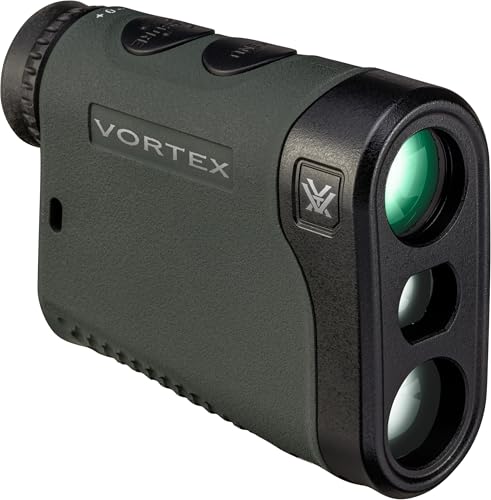
A laser rangefinder reads the distance to whatever you point it at, to about a metre. In 3D archery it is almost always a practice tool rather than a competition one: you guess a distance, shoot, then check what it really was. Doing that a few hundred times is how people build the eye that unknown-distance classes demand.
Why we picked this exact one: The Vortex Triumph HD 850 is where a rangefinder stops being a toy: 850 yards of reflective range, an unconditional warranty and 4.6 stars from 230 reviews, at well under what angle-compensating hunting models cost. Buy it once you have shot a few rounds and know you are staying; before that, borrow one at the club. It is barred from most 3D classes, so this is a practice purchase, not a course one.
If you buy one thing off this list, buy the binoculars. The stool and the puller are comfort; the glass is the difference between walking up to a target already knowing what happened and finding out cold. Water, bug spray and a spare pencil weigh nothing and are the three things people most often wish they'd brought.
Blind Lanes and the One Rule Nobody Bends
A 3D course isn't a flat range with a single shooting line, and that changes what safety means out here. Lanes bend round trees, another group is often a target ahead of you, and the ground behind a foam animal can be a footpath. Three things regulars genuinely enforce.
Field points only. Never a broadhead, not even once to check it flies. A broadhead shreds a foam animal that cost the club several hundred dollars, and a club that catches you will send you home. Second: nobody walks forward until every archer at the stake has shot and the group agrees to move, because on a wooded course you can't see round the bend. Third, and this is the one beginners get wrong, if you can't see what lies beyond the target, you don't shoot. A missed arrow at forty-five metres travels a long way through thin woodland.
None of this is heavy going in practice. Say it's your first time at check-in and the group you're drawn with will tell you when to shoot and when to walk. What catches people out is the walking itself: a forty-target course is a few kilometres of wet roots and slope, so the boots and layers a first day hike asks for matter more here than anything archery-specific.
Why Your Last Ten Targets Look Nothing Like Your First Ten
Do I need to join a club before I turn up to a shoot?
No, but go to one first anyway. Nearly every club keeps bows it lends to visitors, and twenty minutes on a borrowed rig settles the draw-weight question that costs beginners the most money. Buying a bow before you've drawn one is how people end up with something they can pull six times and not sixty. Clubs also run 3D rounds for members on ordinary weekends, which is a gentler first outing than a registered shoot. Bring cash for the entry fee, because plenty of rural clubs still don't take cards.
Why do my groups fall apart on the back half of the course?
Almost always draw weight, and it bites the two kinds of bow differently. A compound's let-off hides fatigue brilliantly for the first hour, since you're only holding ten or fifteen pounds at anchor, but the draw itself is full poundage every single time, after hours of climbing. A recurve has no let-off at all, so its full weight sits in your fingers at every anchor and the ceiling is lower: thirty pounds is as far as forum regulars will let a beginner go. Experienced shooters test it by drawing the bow while seated, with no help from standing up into it. If you can't do that cleanly, the bow is too heavy. Drop a few pounds and your last ten targets start looking like your first ten.
Everyone says judge the distance by eye. How do you actually learn that?
By guessing first and checking second, hundreds of times. The method people describe is to estimate every target before you range it, write down the guess next to the real number, and keep going until the gap closes. What makes it hard is that terrain lies in predictable directions: uphill and downhill shots read farther than they are, open ground makes targets look closer, and shady timber pushes them away. Knowing which way the ground is lying to you is most of the skill.
Why did someone tell me to put my rangefinder away?
Because most 3D classes don't allow one, and a lot of clubs ban them at paid shoots for every class, partly to stop the round slowing to a crawl. Binoculars are the accepted substitute and are specifically permitted, as long as they carry no graduated scales inside, which would turn them into a ranging device. People regularly arrive at a first shoot with a rangefinder they aren't allowed to use. Ask at check-in which class you're in and what it permits.
I hit the deer. Why was it only worth five?
Because the animal isn't the target; the rings inside it are. A hit anywhere on the body scores the lowest value, and the rings are small, anatomical and hard to make out from the stake. The rule that hands beginners points back is that an arrow only has to touch the line of a higher ring to earn it, so check line contact before anyone writes a number down. The rule that costs them points is greed: stabbing at the smallest high-value ring instead of the centre of the big one turns near misses into fives.
People Worth Following Into This Hobby
Real practitioners we found while researching this setup — people who do the work, show their process, and publish on sites they run themselves. No sponsorships, no affiliations; we just think they're worth your time.
Runs a private archery training centre in Sarasota as a USA Archery Level 3 coach, with a full TAC course and a bow bench on site.
His walkthrough of a first ASA 3D shoot covers the class choice, the scoring rings and the four-week prep drill that this page only has room to summarise.
Writes a beginner's notebook on traditional archery, working through the shot cycle, bow design and arrow spine with his own force-draw charts.
His arrow-spine and draw-length pages explain, in far more depth than this page can, why the shaft that matches your bow is the one that stops looking like a bad range guess.
Love what you see here? Save individual picks with on any item, or copy everything to a list of your own in one click — great for coming back to later, or dropping as a not-so-subtle hint.