Draw Your Own Comic and Manga Pages Right From Scratch

Draw Your Own Comic and Manga Pages Right From Scratch

DariaCurated by Daria
Jump to the 13 picks

Every Manga You Love Started as an Empty Rectangle

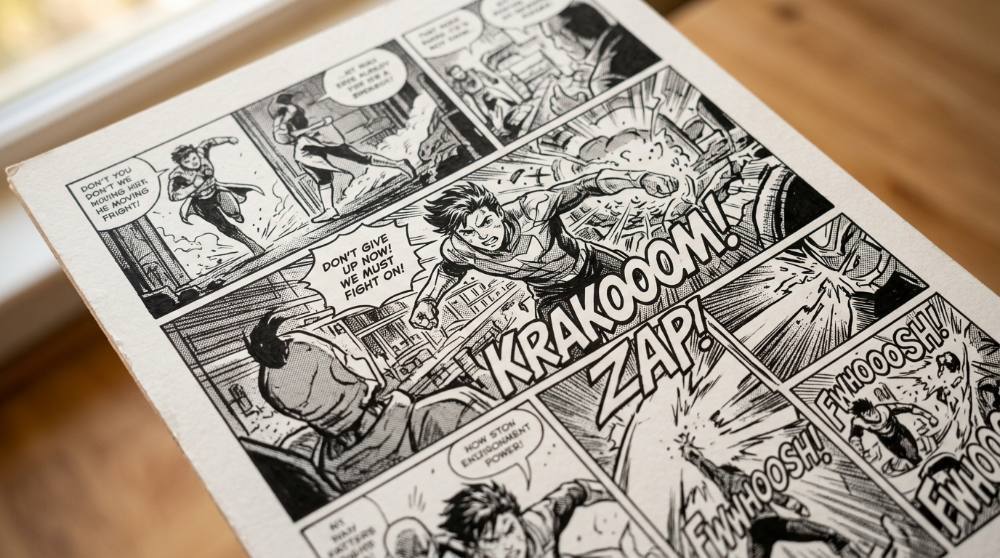
Sequential art is just this: you break a story into boxes and draw it happening, panel after panel, until somebody else can read it. People do it at kitchen tables, in university clubrooms, and on commuter trains. Twice a year in Tokyo there's a convention for it that's genuinely hard to picture — Comiket runs around 35,000 creator circles per edition and pushed roughly 750,000 people through the doors in 2019. Almost none of that is publisher product. It's self-published comics by people who drew them at home, and the whole thing started back in December 1975 with about 700 attendees.

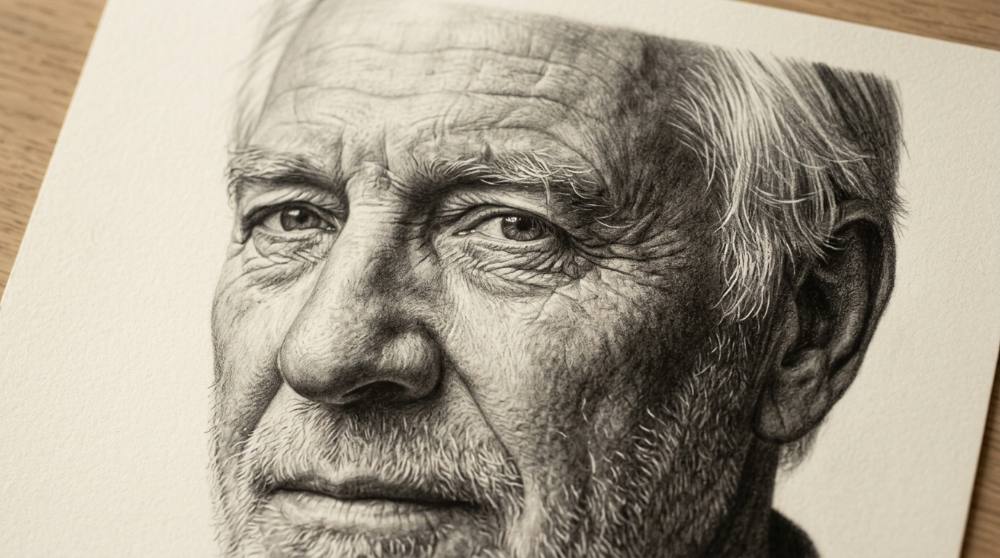
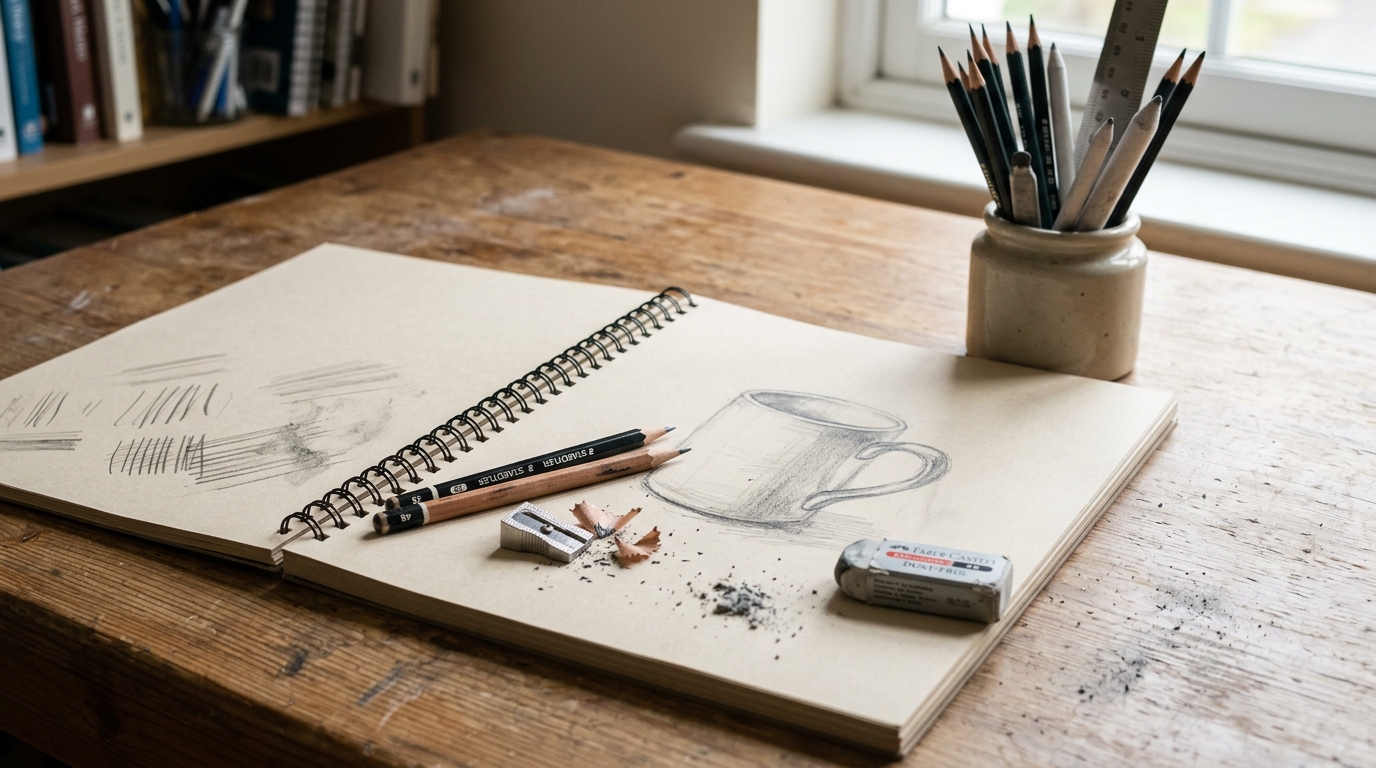
Here's what surprises people who come to comics from other kinds of drawing: the drawing is maybe half of it. The rest is deciding what goes in the box and what gets cut. You'll spend your first few pages learning that a figure you can draw beautifully on its own falls apart the moment it has to stand in a specific room, at a specific angle, reacting to somebody. If you've already got mileage with graphite, a beginner pencil sketching setup covers most of what happens before the ink goes down. Comics just add the boxes.

Our take: buy the fewest things you can and start tonight. Paper that takes ink without fuzzing, a couple of pencils, something to erase with, and one pen that'll give you a thin line and a fat one. That's a comic page. Everything after that is refinement.

Nothing below costs enough to sting if the whole thing turns out not to be your hobby after all.

Premium Smooth Artist Paper PadPremium Smooth Artist Paper Pad

Pick 01 of 13

Premium Smooth Artist Paper Pad

Bristol is a heavyweight, tightly finished paper made to take wet ink without feathering or buckling. The smooth finish is the one comic artists want: a nib or fineliner glides across it instead of catching, and the surface survives being erased over the same spot several times. Look for a pad large enough that you can draw bigger than your page will eventually print.

Why we picked this exact one: The Strathmore 300 Series smooth bristol pad is what sits under most beginner comic pages. It holds a 4.8-star average, which is unusually settled for art paper. Twenty sheets at this price means you can afford to ruin a few, though the 11x14 size is smaller than the 11x17 board American comics are traditionally drawn on.

See it on Amazon
Premium Graphite Sketch Pencil SetPremium Graphite Sketch Pencil Set

Pick 02 of 13

Premium Graphite Sketch Pencil Set

Graphite pencils run from hard to soft, and the grade decides how much mark you leave behind. Harder leads sit light on the paper and lift away cleanly, which is what you want for construction lines you intend to ink over and lose. Softer ones give the darker, more committed lines you actually plan to keep.

Why we picked this exact one: The Faber-Castell Graphite Sketch set runs 2H through 6B, which covers both ends of that split in one purchase. It sits at 4.8 stars, and the leads are better centred than the cheap multipacks, so points don't shear off every time you sharpen. It stops at 6B, so if you end up wanting really velvety blacks you'll add a softer stick later.

See it on Amazon
Portable Kneadable Art EraserPortable Kneadable Art Eraser

Pick 03 of 13

Portable Kneadable Art Eraser

A kneaded eraser is a soft, putty-like block you shape with your fingers rather than rub with. It lifts graphite off the surface by contact instead of abrading it, so it leaves no crumbs and puts almost no sideways force on the paper. Press it into a point and it will also pick highlights back out of a shaded area.

Why we picked this exact one: The Faber-Castell kneadable eraser comes in a small plastic case, which sounds trivial until you've lost a bare one down the side of a sofa or picked up a desk's worth of dust with it. It costs under four dollars. It does turn gummy and grey with use and eventually needs replacing, but at that price that's hardly a complaint.

See it on Amazon
Precision Archival Fineliner Pens SetPrecision Archival Fineliner Pens Set

Pick 04 of 13

Precision Archival Fineliner Pens Set

Fineliners are felt-tipped pens with a fixed line width and pigment ink that dries waterproof. A set of several widths lets you separate a page visually: the finest tips for interior detail and texture, the broader ones for panel borders and whatever sits closest to the reader. The waterproof part matters because you'll erase pencils over these lines and may add tone or colour later.

Why we picked this exact one: The Sakura Pigma Micron assorted set is the standard first inking purchase for comics, and its archival pigment ink survives being erased over. Six widths in one pack covers a whole page without buying pens one at a time. Worth knowing before you start: the felt tips deform and die well before the ink runs low, especially if you press hard, so hold them upright and let the pen do the work.

See it on Amazon
Dual Tip Calligraphy Brush PensDual Tip Calligraphy Brush Pens

Pick 05 of 13

Dual Tip Calligraphy Brush Pens

A brush pen has a flexible tip that widens as you press and narrows as you lift, so the thickness of a line changes inside a single stroke. Hard tips give more control and a tighter line; soft tips flex further and produce the dramatic tapering strokes used for hair, folds and motion. Both draw from a sealed ink supply, so there's no bottle, no dipping and nothing to rinse.

Why we picked this exact one: The Tombow Fudenosuke two-pack pairs a hard and a soft tip, which is the cheapest honest way to find out which suits your hand. Comic artists routinely name it as the most versatile inking pen they own. It costs under six dollars, and unlike a dip nib you can drop it in a bag and ink on a train.

See it on Amazon

That's the whole chain: pencil, ink, done. Your first page will take embarrassingly long, but laying a clean black line over your own pencils — watching it sit there, crisp and final — makes up for a lot of that. Faces are usually the bottleneck, so if yours keep sliding off-model, a setup for drawing a convincing likeness is worth a detour before you commit to a whole cast.

The Small Stuff That Stops You Redrawing Everything

Nothing here is mandatory. I'd resist buying all four at once, honestly — each one solves a specific annoyance you'll hit around page three, and you don't yet know which annoyance is going to be yours. Thumbnails are the big one: working out a layout at postcard size, badly and fast, before you commit good paper to it. That means a pad you're happy to wreck, which is a different animal from a nice sketchbook; if you're weighing up options, the sketchbooks that actually suit beginners is a sensible place to start.

Eco-Friendly Recycled Sketch PadEco-Friendly Recycled Sketch Pad

Pick 06 of 13

Eco-Friendly Recycled Sketch Pad

A sketch pad is cheap, lighter paper meant to be used up rather than preserved. For comics its job is thumbnails: fast, small, ugly drafts where you work out how many panels a page needs and where the reader's eye should land. Volume matters more than quality here, so pick a pad by sheet count rather than by cover.

Why we picked this exact one: The Strathmore 400 Series recycled sketch pad gives you a hundred sheets, which is roughly a hundred pages of thumbnails nobody else will ever see. Its 4.8-star average has held across the 400 line for years. The paper is too toothy for finished ink work, which is fine, because none of it is meant to survive.

See it on Amazon
Erasable Colored Drawing PencilsErasable Colored Drawing Pencils

Pick 07 of 13

Erasable Colored Drawing Pencils

Non-photo blue is a pale cyan lead used for rough construction lines. Because it reads so light, you can draw straight over it in graphite or ink and still see your finished lines clearly, and it can be dropped out afterwards when the page is scanned. The erasable version behaves like a normal coloured pencil, which not every non-photo blue lead does.

Why we picked this exact one: Prismacolor Col-Erase is the erasable member of the non-photo blue family, which matters because the classic non-repro pencils genuinely don't erase and artists complain about it constantly. A dozen pencils is more than one person gets through, so treat it as a several-year purchase. Its 4.2-star rating is the lowest of anything here: the leads are brittle and snap if you sharpen aggressively.

See it on Amazon
Durable Clear Acrylic RulerDurable Clear Acrylic Ruler

Pick 08 of 13

Durable Clear Acrylic Ruler

A beveled ruler has an edge raised slightly off the paper instead of sitting flat against it. That small gap keeps wet ink from creeping underneath as you draw along the edge. A transparent body also lets you see the artwork you're aligning to, which a metal ruler doesn't.

Why we picked this exact one: The Westcott acrylic ruler has the raised beveled edge this job needs, and it costs under three dollars, so there's no reason to improvise with a school ruler and learn the hard way. It carries a 4.8-star average. At twelve inches it won't span the long side of a big board in one pass, and you'll eventually want an eighteen-inch alongside it.

See it on Amazon
Smooth White Gel Pen SetSmooth White Gel Pen Set

Pick 09 of 13

Smooth White Gel Pen Set

White gel pens lay down opaque white ink thick enough to sit on top of dried black. On a finished page they do two jobs: covering small inking slips so you don't redraw a whole panel, and adding highlights over solid black, like rain, sparks or the shine in an eye. Nib width matters more than you'd expect, so a set with a few sizes beats a single pen.

Why we picked this exact one: The Sakura Gelly Roll white set covers fine, medium and bold in one pack, so you can patch a hairline slip or drop a highlight into a large black shape. Its 4.4-star rating is an honest reflection of a known trait: white gel pens skip and dry out if they sit unused, and these are no exception. Keep them capped and scribble them awake before you need them.

See it on Amazon

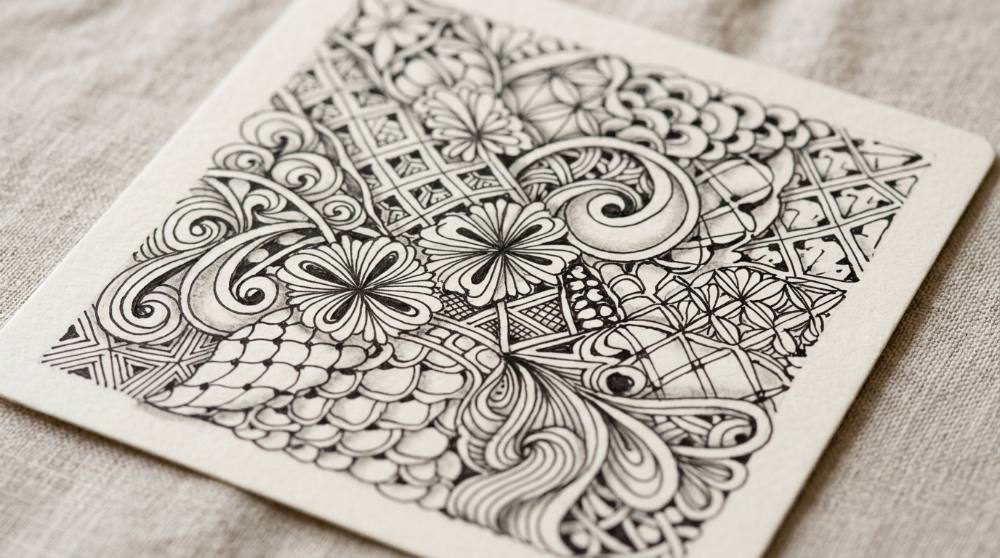
Ink is unforgiving. Two of these — the blue pencil and the white gel pen — exist purely to undo decisions, while the ruler saves you from the sick feeling of lifting it off a fresh panel border and finding a black smear across three hours of work. If you want cheap practice at the pen control all of this rewards, structured doodling with repetitive patterns builds a steadier hand than ruling panel borders ever will.

Going Full Mangaka: Nibs, Ink and Screentone

This is the rabbit hole. A dip nib does something no felt pen can: press harder and the two halves of the steel tip spread apart, so one stroke runs from hairline to heavy and back without you lifting off the page. That's where the whippy, tapering line in shonen manga comes from. It's also fiddly, spatters when you're careless, and has a learning curve measured in pages rather than minutes, which is why I'd treat it as a second-month purchase rather than a first-day one. If you're still working out whether this craft is for you at all, a broader look at starter hobbies for adults is the more honest first step.

Precision Comic Drawing Pen HolderPrecision Comic Drawing Pen Holder

Pick 10 of 13

Precision Comic Drawing Pen Holder

A nib holder is the handle that dip nibs slot into. One holder accepts several nib types, so you swap the steel tip rather than buying a separate pen for every line style. Holders made for comics are shaped for a drawing grip and often carry a rubberised section, since inking sessions run long and the pressure is constant.

Why we picked this exact one: The Tachikawa T-36P is the holder comic artists name when a beginner asks what to start with, and the soft grip section is the reason. It sits at 4.8 stars. The barrel is short and light, which is deliberate for drawing, but if you're used to a chunky pen it feels like almost nothing in the hand at first.

See it on Amazon
Set of Premium Pen NibsSet of Premium Pen Nibs

Pick 11 of 13

Set of Premium Pen Nibs

The G nib is the most flexible of the standard manga nib shapes. Press and the tines spread wide; ease off and the line closes back to a hairline, all inside one stroke. Nibs are consumables rather than tools you keep forever, which is why they come in packs.

Why we picked this exact one: The Zebra Comic G is the specific nib most manga artists mean when they say G pen, and ten of them cost less than one decent brush. Its 4.6-star average sits on thousands of ratings. Two things to know going in: it's the most flexible and therefore the least forgiving nib to learn on, and leaving ink to dry on it will corrode the tip.

See it on Amazon
Premium Calligraphy Ink BottlePremium Calligraphy Ink Bottle

Pick 12 of 13

Premium Calligraphy Ink Bottle

Sumi ink is a dense black drawing ink thin enough to flow off a nib without clogging it. Once dry it's waterproof, which is what lets you erase pencils over the top and add tone or colour afterwards. Ink sold for dip pens is not the same product as fountain pen ink, and the two aren't interchangeable.

Why we picked this exact one: Zig's Sumi Pen Ink is made specifically for manga inking and states plainly that it's waterproof once dry, which is the property that actually matters here. It holds a 4.7-star average. A 60ml bottle is a great deal of ink for a beginner, and it will comfortably outlast either your first dozen pages or your patience with dip pens.

See it on Amazon
Manga Art Screen Tone SetManga Art Screen Tone Set

Pick 13 of 13

Manga Art Screen Tone Set

Screentone is a transparent adhesive sheet printed with a dot or line pattern. You lay it over an inked area, cut around the shape with a blade and burnish it down, which produces the greys of black-and-white manga without any grey ink at all. Different dot densities read as different shades, so a set gives you a usable range instead of one flat tone.

Why we picked this exact one: The Deleter Screen Tone Set Vol. 3 bundles several patterns, which is far more useful to a beginner than buying single sheets at nearly the same price each. It carries a 4.5-star average. Cutting tone cleanly takes practice and a genuinely sharp blade, and your first few attempts will show their edges.

See it on Amazon

None of this fixes your drawing. A G nib in an untrained hand looks worse than a fineliner in a careful one — what the nib buys you is a ceiling to grow into, plus the faint scratch of steel on bristol that people get weirdly attached to. Give yourself a week of ruining cheap paper before you put one anywhere near a page that matters.

Why Your First Page Fights Back

My brand-new nib won't hold ink at all. Did I get a dud?

Almost certainly not. Most new dip nibs ship with a thin protective coating from the factory, and ink beads up and rolls off it instead of sitting in the slit where it belongs. Beginners assume the pen is broken and abandon dip nibs on the spot. Wipe the nib with isopropyl alcohol or a little dish soap, dry it, and it will usually work on the very next dip. Skip the popular trick of holding it in a lighter flame: at least one manufacturer states its nibs use no oil at all and that heating them causes damage.

Why did erasing my pencils smear the ink everywhere?

Because ink that feels dry to the touch often isn't dry underneath, and a normal eraser rubs rather than lifts. Beginners reach for the eraser the moment a page looks finished, which is exactly when it's most fragile. Leave it far longer than seems necessary: inkers routinely wait hours, and overnight on heavy black areas. Then use a kneaded eraser rolled gently across the page, so it picks the graphite up instead of dragging it sideways.

I scanned my page and the blue underdrawing showed up anyway. Wasn't it supposed to be invisible?

It was invisible to the scanners it was invented for, and it isn't to yours. Modern scanners read far more colour information than the machines that made this trick famous, so non-photo blue comes through clearly. The fix isn't a different pencil, it's the colour channels: scan in colour, look at the red or green channel where the blue nearly vanishes, and build your greyscale from that. People who don't know this end up erasing stray pixels by hand for an hour.

My dialogue never fits, and the bubbles keep covering the drawing.

This happens because almost everyone draws the panel first and treats lettering as decoration added at the end. By then the best part of the composition is already occupied, so the bubble has nowhere to go but across somebody's face. Write the text out first, draw the bubble around the text, then draw the art around that. It feels backwards for about one page, and then it stops feeling backwards.

Love what you see here? Save individual picks with on any item, or copy everything to a list of your own in one click — great for coming back to later, or dropping as a not-so-subtle hint.

Disclosure: Some product links may be affiliate links. If you make a purchase through one of these links, we may earn a small commission at no extra cost to you.